

Domestic and Sexual Violence Awareness Training for Dental Professionals
Empowering Dentistry Professionals to Recognise and Respond to Domestic & Sexual Violence
Domestic and sexual violence affects individuals across all communities — including your patients. Dentistry professionals are in a unique position to identify early signs of abuse, provide safe and supportive interactions, and refer patients to appropriate support services.
Be Conscious provides evidence-based, domestic violence and trauma-informed training specifically designed for the dental sector. Developed by Dr Ann Carrington one of the leading experts in this field. Dr Ann was the lead co-designer of James Cook University (JCU) Dentists and Domestic Violence – Recognise Respond Refer program, a first of its kind in Australia – first taught in 2015 and discussed in this Bite Magazine article. She was principal researcher and co-designer on a Keeping Women Safe from Violence grant funded by Department of Justice and Attorney General, Qld. This project developed an Australian first suite of dentistry specific educational resources including 8 video cases each accompanied by an educational print resource.
Selecting training from Be Conscious ensures that dental professionals and teams learn directly from one of the key contributors and innovators in this evolving space. Participants gain the knowledge, skills, and confidence to respond appropriately and safely in real-world dental environments.
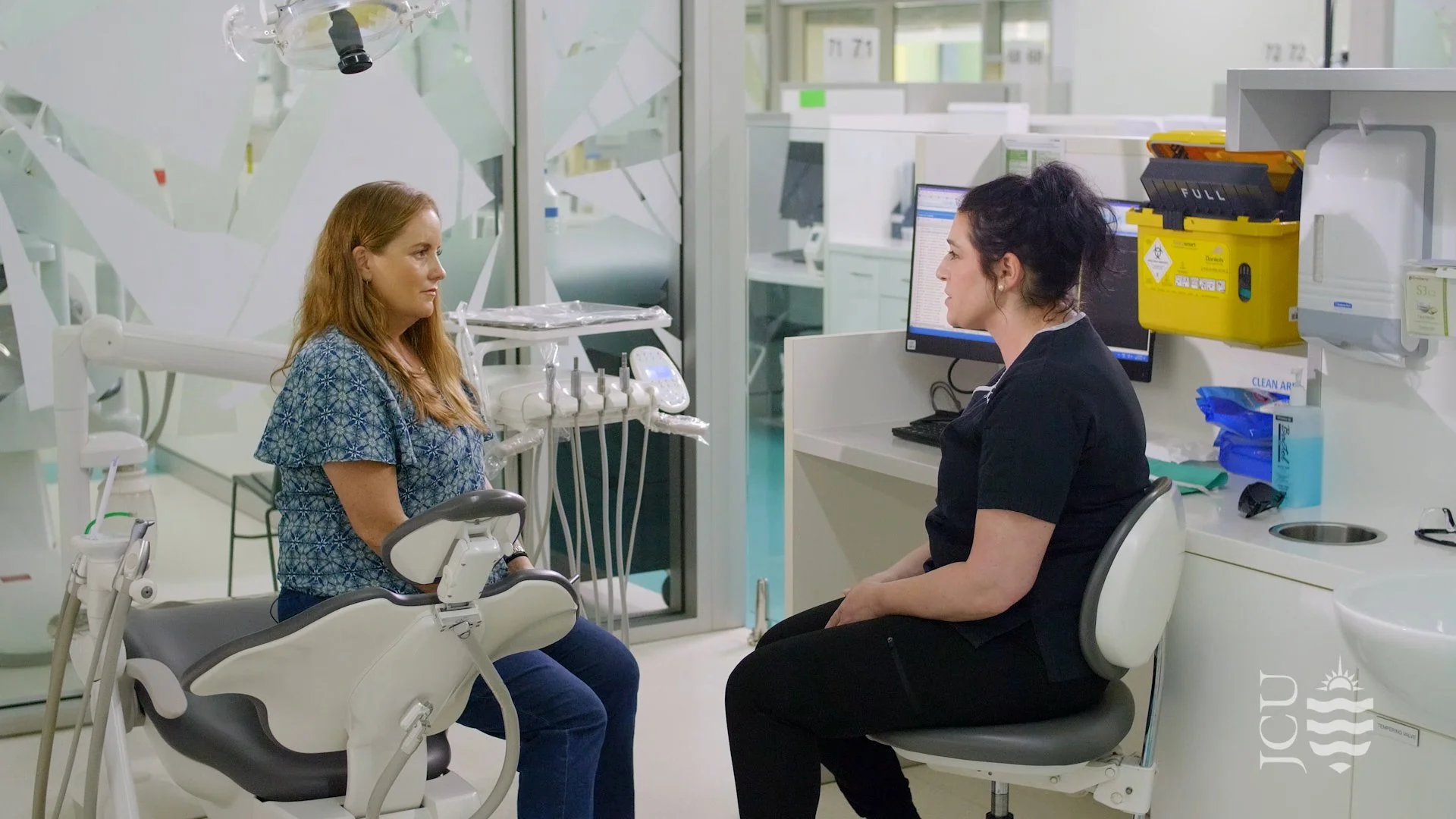
Why This Training Matters in Dentistry
Dental professionals often see injuries and behavioural indicators that may be associated with domestic and sexual violence, including:
Facial trauma
Head and neck injuries
Intraoral soft tissue trauma
Fractured or damaged teeth
Fearful or avoidant patient behaviour
Hesitation to disclose injury causes
Because patients may see their dental practitioner more regularly than other clinicians, dentistry plays a frontline role in early identification.
It’s importance to dental practice has been supported by the Australian Dental Association with guidance to practitioners within their policy statement.
Since 2015, Dr Carrington has contributed to advancing the skills of dental professionals through curriculum development at JCU and ongoing professional development opportunities offered via ADA webinars and CPD training. Her team partnered with the Australian Dental Foundations to develop resources for managing patients affected by domestic violence.
With the Australian Dental Council now requiring all graduating dentists to “competently recognise, assess, and respond to domestic and family violence risk, prioritise safety, provide information, and refer as required,” it has become essential for dental practitioners qualified before 2023—when this competency was introduced—to seek appropriate training and upskilling in this evolving area of dental practice.
Dr Ann is dedicated to supporting these developments. Training provided by Be Conscious offers dental professionals the opportunity to align with current university standards while also gaining advanced expertise. These programs deliver comprehensive, sector-specific education tailored for dental professionals. Participants will acquire the skills necessary to identify warning signs, respond appropriately, and facilitate patient access to relevant support services—all within an advanced framework grounded in domestic violence and trauma-informed dental practice.
Who Is This Training For?
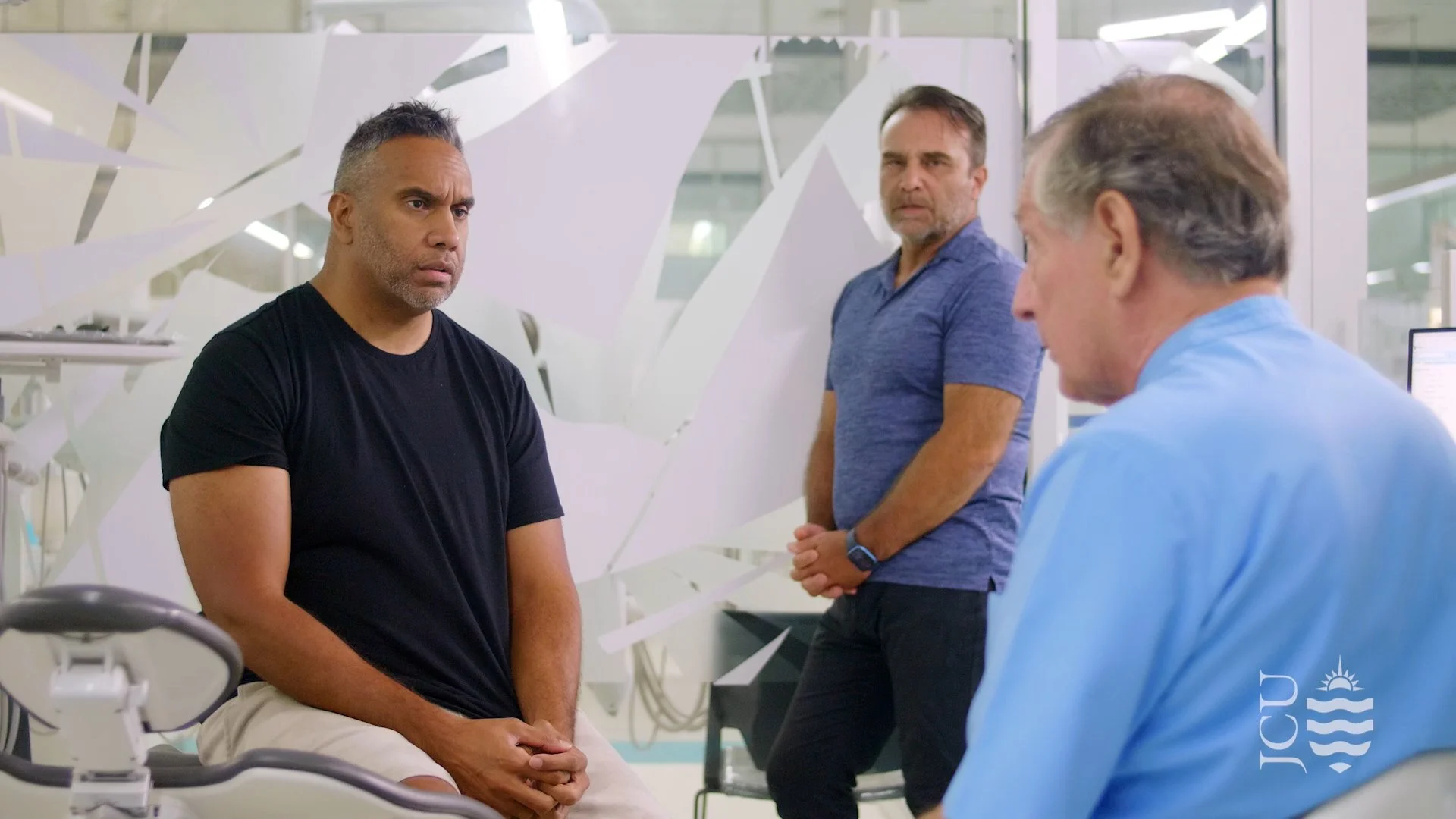
This program is tailored to the entire dental sector, including:
Dentists
Dental hygienists
Dental therapists
Oral health therapists
Dental assistants and support staff
Specialist practitioners
Reception/admin staff
Whether you run a private practice, community clinic, or specialist service, the training provides sector-specific skills relevant to real-world dental settings. Whole-of-practice training is strongly recommended, as recognising, responding, and applying domestic violence trauma-informed practice requires a unified approach beginning with reception and extending through the entire team.
Be Conscious’ Domestic Violence and Traum Informed Dental Practice program equips individual practitioners and clinical teams to recognise domestic and sexual violence warning signs, respond safely, and connect patients to support services, all within a domestic violence trauma-informed, best-practice framework, design specifically for dental practice.
Stay ahead in your profession, protect your patients, and foster a safer practice environment—choose Be Conscious for the most advanced and relevant domestic violence and trauma-informed training available to the Australian dental sector.
We offer 5 modules providing comprehensive training for dental practitioners. While some modules require a prerequisite there is flexibility in which modules complete and when. Each module has a 6-hour delivery time. Modules are outlined below. Module one is a prerequisite for all other modules.
Be Conscious’ Domestic Violence and Trauma Informed Dental Practice (DVTIDP) Program
DVTIDP – Module 1 – Understanding Domestic & Sexual Violence (DSV) and Trauma
Content covered:
Significance of domestic and sexual violence (DSV).
Role of dental professionals in identifying and responding to DSV.
Key concepts and theories underpinning domestic and sexual violence.
Relevance of trauma-informed practice in dental care settings.
Principles of a domestic violence trauma-informed framework.
How to integrate a trauma-informed framework into dental practice.
Providing sensitive, respectful, and effective care for people affected by DSV.
DVTIDP – Module 2 – Victim-Survivors: Recognise, Respond and Refer
Content covered:
Indicators of domestic and sexual violence (DSV), including dental-specific signs.
Recognising DSV in dental settings.
Screening for DSV and starting sensitive patient conversations.
Risk assessment and safety planning.
Adapting dental care to reduce re-traumatisation.
Referral pathways for patients affected by DSV.
Mandatory reporting in dental care settings
DVTIDP – Module 3 – Documentation and Legal Considerations
Content covered:
Domestic violence legislation and intersecting legal systems.
Clinical policies and procedures for responding to DSV.
Informed consent, privacy, and confidentiality in DSV cases.
Documenting indicators and disclosures of DSV.
Information sharing with relevant agencies.
Patient safety, legal duties, and ethical obligations.
Legal processes, subpoenas, and giving evidence as a witness.
DVTIDP – Module 4 – Advanced Practice
Content covered:
Intersectionality, power, and privilege in DSV experiences and care.
Culturally safe and responsive practice in DSV contexts.
Interprofessional collaboration in supporting patients affected by DSV.
Unintended consequences of DSV interventions.
Self-care, wellbeing, and reflexive practice.
Supervision and support for staff managing DSV cases.
DVTIDP – Module 5 – Working with the Person Using Violence*
Content covered:
Predominant aggressor model in DSV and dentistry contexts.
Recognising the person using violence (PuV).
Avoiding collusion with the PuV.
Referral pathways and support services for the PuV.
Unintended consequences of PuV interventions.
Safety, self-care, and practitioner wellbeing
*prerequisite - Modules 1 and 2
Training Delivery Options
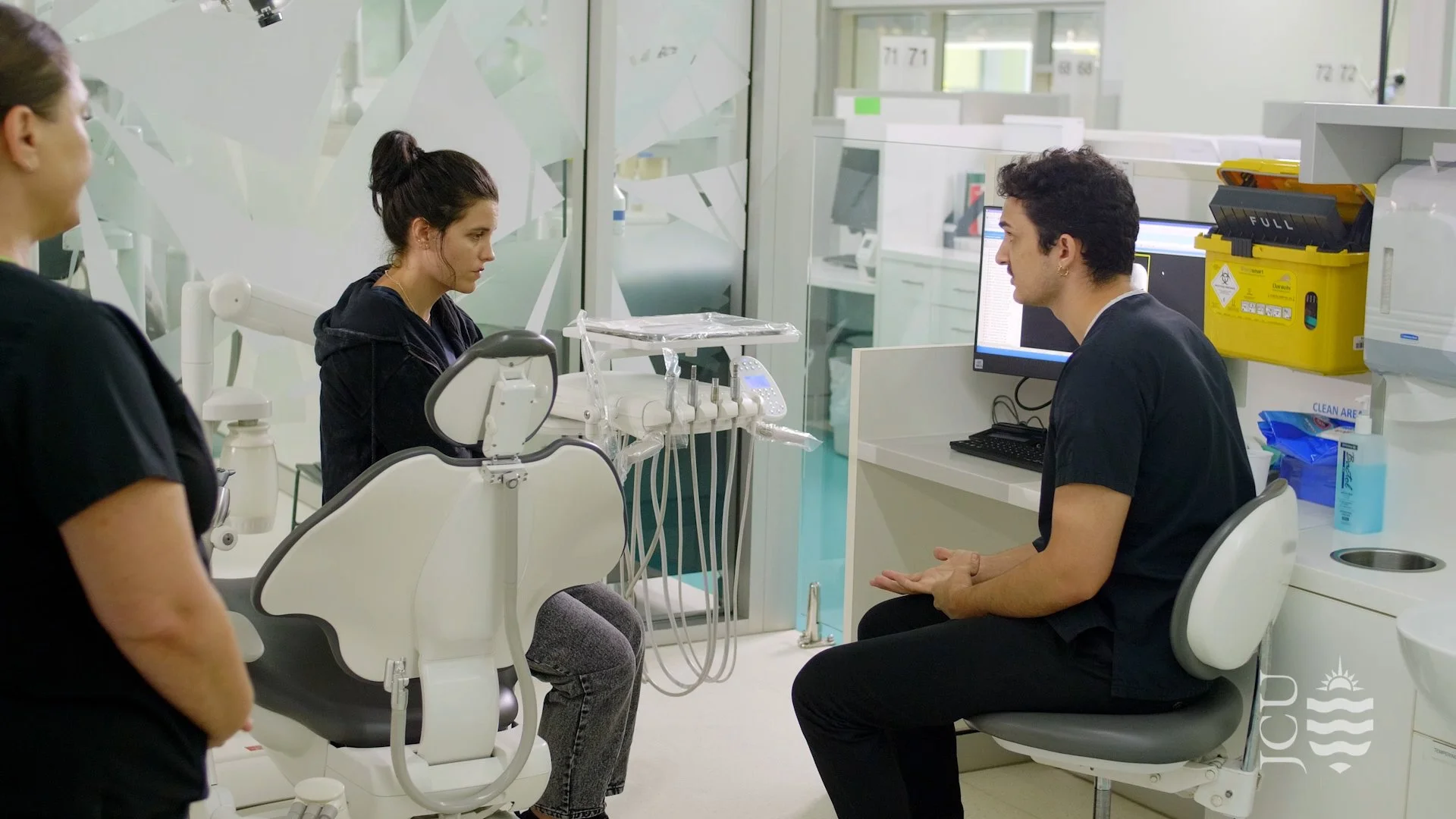
We offer flexible training formats for individual dental professionals or individual dental clinics/practices. Training is delivered live online or in-person. Training delivered to an individual dental clinic/practice or corporate dental group can be tailored to meet you teams needs.
All sessions include practical scenarios, case studies and resources designed for the dental profession.

Why Choose Be Conscious
Be Conscious delivers specialised, evidence-based domestic and sexual violence training for dental professionals:
Expert-aligned content: Developed and delivered by the original creator and co-designer of the evidence-based curriculum with James Cook University (JCU).
Dental-sector focus: Practical guidance for recognising clinical and behavioural warning signs.
Trauma-informed approach: Safe, compassionate strategies for patient support.
Flexible delivery: Online, in-person, or tailored programs for clinics and teams.
Actionable skills: Clear steps for responding, referring, and maintaining patient safety.
Inclusive & culturally safe: Designed for diverse patient populations.
Gain the confidence and tools to make a meaningful difference in your patients’ wellbeing.
Get Started
Ready to bring this training to your dental practice?
Enquire now to book a session or request a tailored training package.